Palm Tree Trimming in Allentown, PA
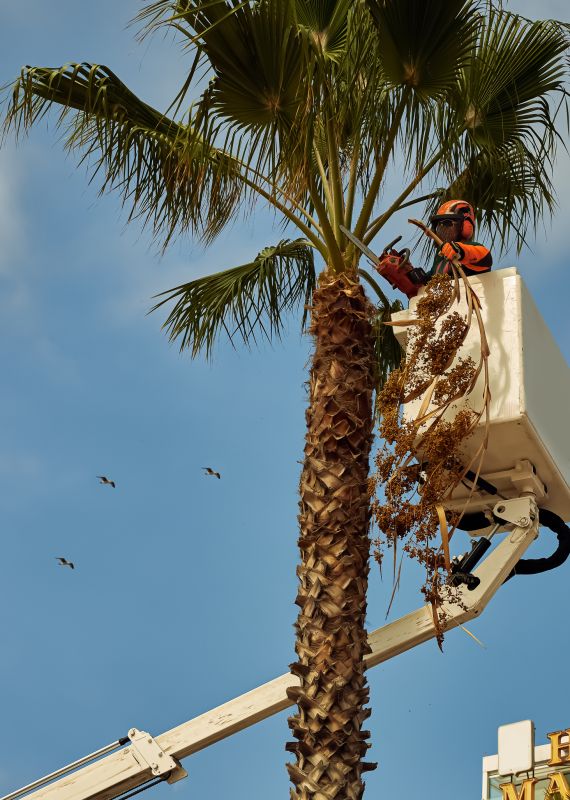
Palm tree trimming services involve carefully pruning and shaping palm trees to maintain their health, appearance, and safety on residential properties. This process typically includes removing dead or diseased fronds, trimming new growth, and ensuring the crown remains balanced. Projects can range from routine maintenance of mature palms to specialized trimming for newly planted trees or those affected by weather damage. Homeowners often seek these services to improve curb appeal, prevent potential hazards from falling debris, or prepare trees for seasonal changes.
Before requesting palm tree trimming, property owners should consider the size and type of their palms, as different species may require specific care techniques. It is also helpful to understand the extent of trimming needed, whether it involves light pruning or more extensive removal of old fronds and seed pods. Clarifying the desired outcome and any local regulations regarding tree maintenance can ensure the project aligns with safety standards and aesthetic preferences.
Many property owners in Allentown, PA look into Palm Tree Trimming for repairs, replacements, upgrades, and appearance-related improvements.
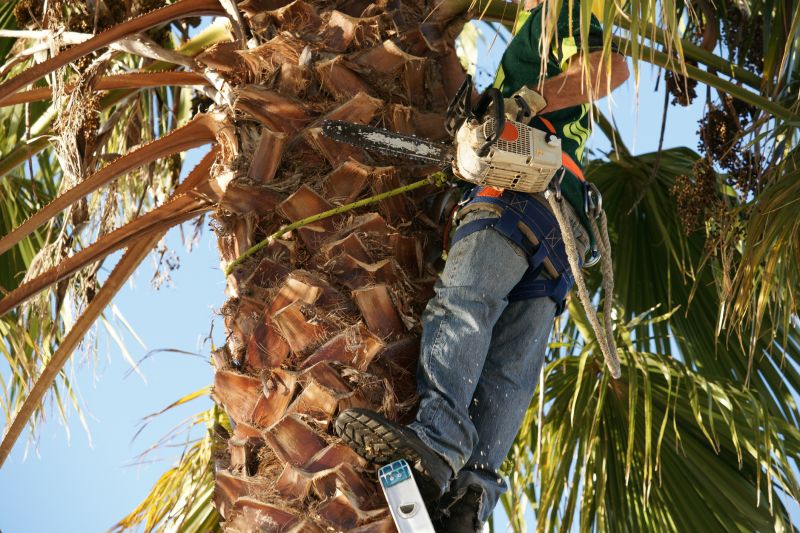
Tree Trimming For Safety
Proper trimming reduces the risk of falling branches and property damage.
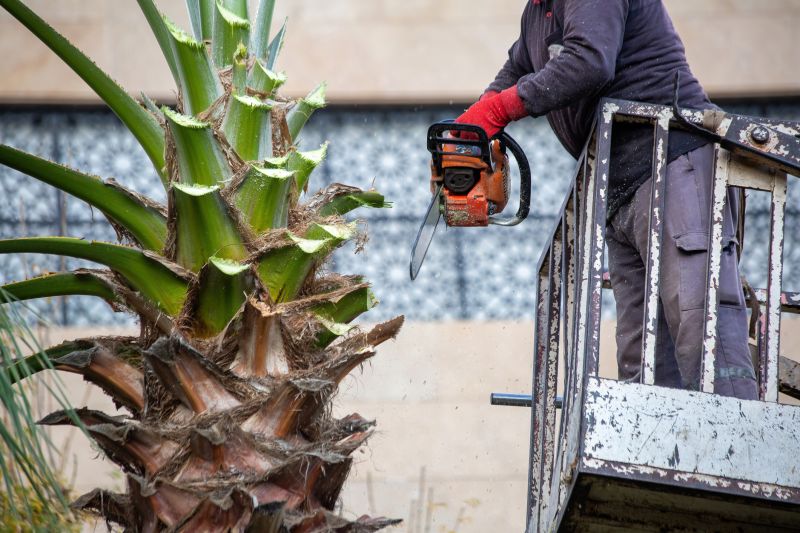
Enhancing Property Appearance
Well-maintained palms improve curb appeal and add to the landscape's beauty.
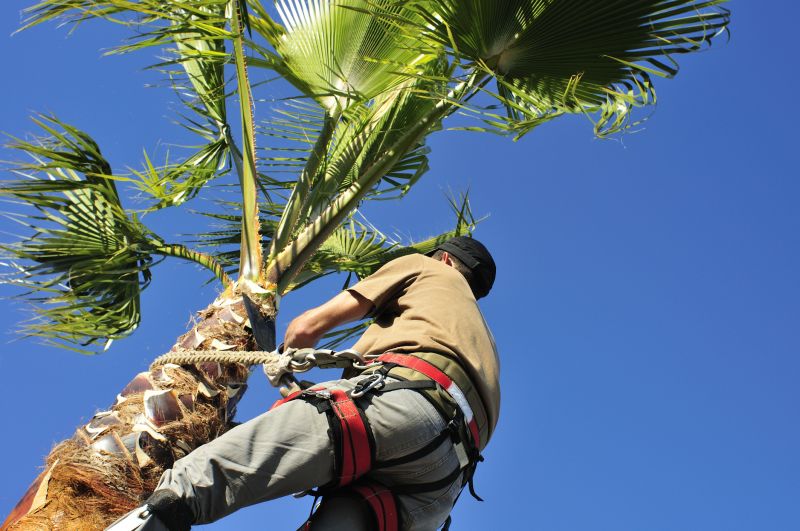
Health And Growth Support
Regular trimming promotes healthy growth and prevents disease in palm trees.
Palm Tree Trimming in Allentown, PA
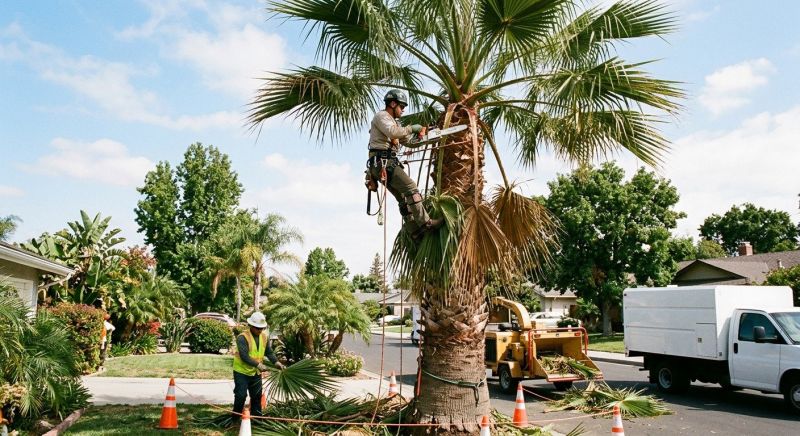
Palm tree trimming services involve carefully pruning and shaping palm trees to maintain their health, appearance, and safety on residential properties. This process typically includes removing dead or diseased fronds, trimming new growth, and ensuring the crown remains balanced. Projects can range from routine maintenance of mature palms to specialized trimming for newly planted trees or those affected by weather damage. Homeowners often seek these services to improve curb appeal, prevent potential hazards from falling debris, or prepare trees for seasonal changes.
Before requesting palm tree trimming, property owners should consider the size and type of their palms, as different species may require specific care techniques. It is also helpful to understand the extent of trimming needed, whether it involves light pruning or more extensive removal of old fronds and seed pods. Clarifying the desired outcome and any local regulations regarding tree maintenance can ensure the project aligns with safety standards and aesthetic preferences.
Many property owners in Allentown, PA look into Palm Tree Trimming for repairs, replacements, upgrades, and appearance-related improvements.
Common Palm Tree Trimming Jobs
Palm Tree Trimming - Regular trimming helps maintain the tree’s shape and health.
Frond Removal - Removing dead or dying fronds reduces hazards and improves appearance.
Canopy Shaping - Shaping the canopy enhances curb appeal and prevents overgrowth.
Hazard Pruning - Pruning to remove weak or damaged fronds minimizes risk of falling debris.
Height Reduction - Trimming tall palms ensures safe clearance around property and structures.
Stump and Root Cleanup - Clearing fallen fronds and debris keeps outdoor areas tidy and safe.
Palm Tree Trimming Questions
Why is palm tree trimming important? Regular trimming helps maintain the health, appearance, and safety of palm trees by removing dead or damaged fronds.
When is the best time to trim palm trees? Trimming is typically done when fronds are yellowing or dead, often in late winter or early spring, to promote healthy growth.
What types of palm trees require trimming? Most palm varieties benefit from trimming, especially those with fronds that hang low or pose hazards to nearby areas.
Are there any risks with trimming palm trees? Improper trimming can damage the tree or create safety hazards; professional trimming ensures proper technique and safety measures.
Request Palm Tree Trimming in Allentown, PA
Use the quote form on this page to share the basics of your project and request more information for the type of work you need.