Get Japanese Knotweed Removal in Santa Cruz County, CA
Local contractors in Santa Cruz County can remove Japanese Knotweed to prevent property damage, clear overgrown areas, and prepare sites for construction or landscaping projects.
Property owners in Santa Cruz County facing challenges with Japanese Knotweed often seek professional removal services to protect their investments and maintain landscape integrity. This invasive plant can quickly spread, causing damage to foundations, underground utilities, and nearby native vegetation. Exploring local contractor options ensures that those interested in managing this issue can find experienced service providers familiar with the unique conditions of the area, helping to develop effective planning strategies for property preservation.
Comparing local contractors who specialize in Japanese Knotweed removal allows property owners to evaluate the approaches and expertise available within Santa Cruz County. Whether dealing with a small garden or a larger commercial site, connecting with qualified service providers can support informed decisions about tackling this invasive species. Keeping informed about available options helps property owners plan their projects with confidence, ensuring the health and safety of their land and structures.
- Japanese Knotweed Removal - needed when invasive knotweed is threatening to damage property foundations or structures in neighborhoods like Capitola or Scotts Valley.
- Japanese Knotweed Removal - required if the plant has spread into garden beds or nearby natural areas in Santa Cruz County communities.
- Japanese Knotweed Removal - necessary when controlling an overgrowth that is encroaching on walkways or driveways in local residential areas.
- Japanese Knotweed Removal - sought after when property owners want to prevent knotweed from affecting neighboring properties or landscaping.
- Japanese Knotweed Removal - essential if persistent knotweed is causing concern for property value or land use restrictions in nearby towns.


Japanese Knotweed removal services involve the careful identification and eradication of this invasive plant from residential or commercial properties. Skilled service providers use specialized techniques to safely remove the plant’s extensive root systems and prevent it from spreading further. The process often includes thorough excavation, treatment of remaining root fragments, and sometimes the application of herbicides to ensure complete removal. Proper removal is essential to prevent the plant from regrowing and to protect the integrity of the property’s landscape and foundation.
This service helps address a range of problems caused by Japanese Knotweed. The plant’s aggressive growth can damage building foundations, walls, patios, and underground utilities. Its presence can also reduce property value and complicate real estate transactions, as lenders and insurers may view it as a significant risk. Additionally, Japanese Knotweed can invade neighboring areas, making early removal crucial for controlling its spread. Local contractors are equipped to assess the extent of infestation and develop a tailored plan to eliminate the plant effectively.
Properties that typically require Japanese Knotweed removal include residential homes, especially those with gardens or landscaping that have become overrun with the plant. Commercial properties, such as offices, retail spaces, or industrial sites, may also need this service if the plant has taken hold on their land. Landowners planning to develop or sell their property often seek professional removal to comply with local regulations and safeguard their investment. In any case, the presence of Japanese Knotweed indicates a need for expert intervention to protect the property’s value and structural integrity.
Homeowners and property managers in Santa Cruz County and nearby areas can contact local service providers specializing in Japanese Knotweed removal. These professionals have experience working with a variety of property types and infestation levels. Whether the plant is just beginning to appear or has become deeply established, experienced contractors can provide effective solutions to eliminate it. Connecting with local experts ensures that the removal process is handled safely and thoroughly, helping property owners maintain the health and value of their land.
The overview below groups typical Japanese Knotweed Removal projects into broad ranges so you can see how smaller, mid-sized, and larger jobs often compare in Santa Cruz County, CA.
In many markets, a large share of routine jobs stays in the lower and middle ranges, while only a smaller percentage of projects moves into the highest bands when the work is more complex or site conditions are harder than average.
Smaller Removals - Typical costs for removing small patches of Japanese Knotweed generally range from $250 to $600. Many routine jobs fall within this middle range, depending on the size and accessibility of the infestation.
Moderate Treatments - For larger areas or moderate infestations, local contractors often charge between $1,000 and $3,000. Projects in this range are common for properties with extensive growth requiring more extensive treatment.
Extensive or Persistent Infestations - Larger, more complex removal projects can reach $4,000 to $7,000 or more, especially if multiple treatments or site preparations are needed. Fewer projects fall into this highest tier, typically involving difficult access or prior failed attempts.
Full Site Replacement - Complete removal and replacement of contaminated soil or landscape can cost $8,000 or higher. These comprehensive projects are less common and involve significant excavation and landscaping work by local service providers.
Actual totals will depend on details like access to the work area, the scope of the project, and the materials selected, so use these as general starting points rather than exact figures.
Invasive Plant Removal - local contractors experienced in removing invasive species use similar tools and techniques to eliminate unwanted vegetation from properties.
Ground Clearing and Site Preparation - professionals skilled in clearing land and preparing sites for construction or landscaping often handle plant removal and root extraction tasks.
Root Barrier Installation - experts installing root barriers to prevent plant spread have expertise in managing underground plant systems similar to Japanese Knotweed control.
Landscaping and Garden Restoration - landscapers working on garden renovation projects often remove existing plants and roots, requiring similar planning and equipment.
Storm Damage Cleanup - service providers clearing debris and damaged vegetation after storms utilize similar tools and site assessment skills as in plant removal services.
Soil Excavation and Remediation - contractors performing soil excavation for construction or contamination cleanup are familiar with underground plant root systems and removal techniques.

When evaluating contractors for Japanese Knotweed removal, it is important to consider their experience with similar projects in Santa Cruz County or nearby areas. An experienced service provider will have a clear understanding of the specific challenges associated with invasive plant removal in local environments. Asking about their background with properties comparable in size and landscape features can help gauge their familiarity with the work, ensuring they have the practical knowledge needed to handle the job effectively.
Clear, written expectations are essential when comparing local contractors. A reputable service provider should be able to outline their process, including assessment methods, removal techniques, and any follow-up steps. Having these details documented helps ensure everyone is aligned on what the project entails, reducing misunderstandings and providing peace of mind that the scope of work is well-defined before any work begins.
Reputable references and effective communication are key factors to consider. Service providers who can provide references from previous clients or examples of completed projects demonstrate their track record of reliability. Additionally, good communication-prompt responses, transparent explanations, and willingness to answer questions-indicates a professional approach. Remember, this site’s role is to introduce homeowners to local options; it does not perform the work itself, so taking the time to compare these aspects among different service providers can lead to a more informed decision.
Property owners in Santa Cruz County, CA use Japanese Knotweed Removal services for practical projects around their homes and businesses. This guide focuses on everyday jobs and straightforward project options.
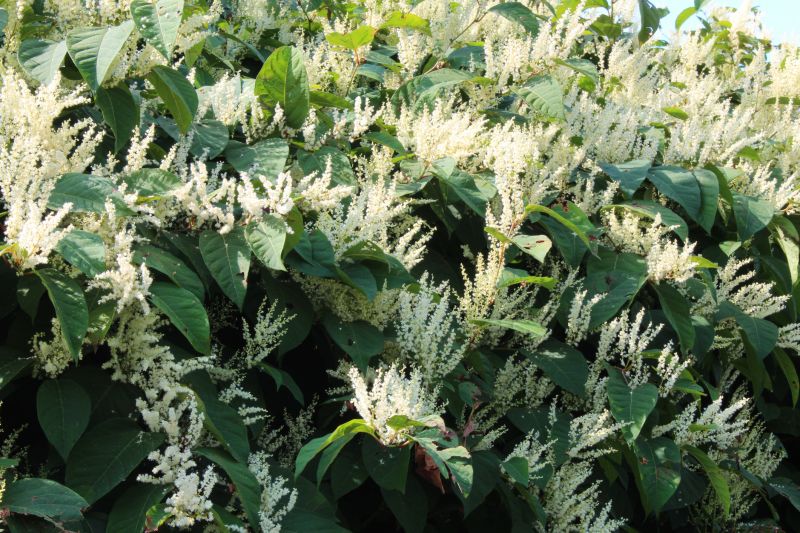

Property owners in Santa Cruz County may seek Japanese Knotweed removal services when invasive plants begin to threaten the integrity of their landscapes or structures. Overgrown knotweed can quickly spread across yards, gardens, or near foundations, causing concern for those worried about property damage or unwanted growth encroaching on neighboring properties. Local contractors experienced in invasive plant removal can assess the situation and provide solutions to manage or eliminate these persistent plants, helping property owners maintain the safety and appearance of their land.
Additionally, individuals preparing to sell or develop their property might look for Japanese Knotweed removal to meet local regulations or improve property value. Knotweed can sometimes interfere with construction plans or land use, prompting property owners to seek professional help to clear affected areas. Service providers in the area are equipped to handle such projects, offering removal options that are tailored to the specific needs of Santa Cruz County residents and their properties.
What is Japanese Knotweed and why is removal important? Japanese Knotweed is an invasive plant that can cause damage to structures and landscapes. Removing it helps prevent property damage and control its spread in Santa Cruz County and nearby areas.
How do local contractors typically remove Japanese Knotweed? Professionals may use methods such as chemical treatment, excavation, or a combination of techniques to effectively eliminate Japanese Knotweed from affected sites.
Can Japanese Knotweed regrow after removal? Yes, if not properly eradicated, Japanese Knotweed can regrow. Experienced service providers use thorough methods to minimize the chance of regrowth.
Are there any legal considerations for Japanese Knotweed removal? In some regions, there are regulations regarding the disposal of Japanese Knotweed. Local service providers are familiar with these requirements to ensure proper handling.
What should I look for in a Japanese Knotweed removal service provider? It's important to choose local contractors with experience in invasive plant removal, proper equipment, and a reputation for thorough work in the Santa Cruz County area.
Property Clearance - Property owners can hire local contractors to remove Japanese Knotweed before it spreads to neighboring properties or affects landscaping plans.
Landscaping Projects - Removing Knotweed can prepare a yard for new planting or construction projects, ensuring a clean and safe environment.
Property Sale Preparation - Clearing invasive plants like Japanese Knotweed can help properties meet sale requirements and improve curb appeal.
Garden Restoration - Eliminating Knotweed allows for the re-establishment of native plants and garden features without invasive competition.
If you are thinking about Japanese Knotweed Removal for a property in Santa Cruz County, CA, this guide is meant to help you understand the work, the typical project types, and how different options might fit your plans.
When you are ready, you can use the quote form on this page to share a few details about your project. From there, local pros can review the basics and respond with options that match what you have in mind.